Walk into most gyms marketing themselves as premium and you’ll see the same formula: imported machines, moody lighting, a smoothie bar near the entrance. It photographs well. It rarely tells you anything about whether you’ll actually get better results there than at a gym with half the budget for interiors. Equipment is the easiest thing to copy and the least reliable signal of quality, which raises a more useful question than most marketing bothers to answer: once you look past the machines, what actually makes a premium fitness club different?
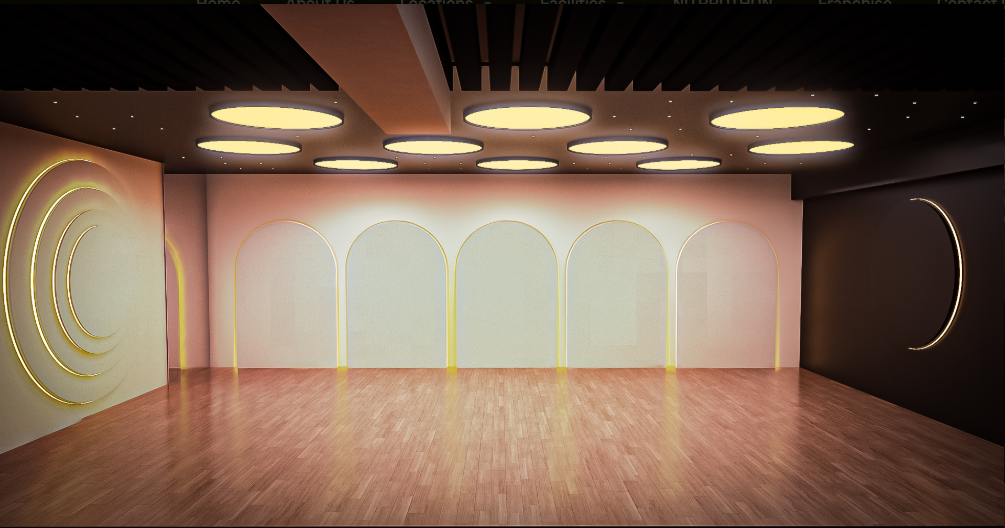
What truly defines a premium fitness club has very little to do with equipment and almost everything to do with coaching philosophy, a culture that holds members accountable, safety standards built into how training is taught, and genuine support that continues well past the first month. Equipment is table stakes. The real difference shows up in how a gym is run day to day, not what it’s furnished with.
A barbell works the same whether it costs ten thousand rupees or fifty thousand. What actually changes outcomes is how that barbell gets used, who’s teaching the movement, and whether the program around it makes sense for the person lifting it. Plenty of gyms with modest, well-maintained equipment produce far better member results than flashier ones, simply because the coaching and structure behind the equipment is stronger. If equipment were the real differentiator, results would track with gym budgets. They don’t.
Certifications are a baseline, not a differentiator, since most trainers at most gyms have them. What separates a genuinely premium experience is whether a gym operates on a consistent coaching system, a shared philosophy for how form gets taught, how programs progress, and how trainers communicate with members, rather than leaving quality entirely up to whichever individual trainer you happen to get. A member’s experience shouldn’t depend heavily on luck of the draw.
Anyone can sell access to a facility. A premium club builds a culture where staff actually notice when someone’s missed a few sessions, where trainers check in without being asked, and where the environment itself nudges people toward consistency rather than leaving it entirely up to individual willpower. This is a culture decision, not a facilities decision, and it’s usually invisible until you’ve been a member somewhere for a few months and either felt supported or completely anonymous.
A lot of gyms personalise the first session and then quietly default to a generic template afterward. What actually defines a premium experience is whether personalisation continues as a member’s strength, schedule, or goals change, month three, month six, month twelve. A program that never evolves past the initial assessment isn’t really personalised, it’s just customised once and then left on autopilot.
Poor form correction and inadequate supervision are avoidable causes of gym injuries, and they’re just as likely at an expensive gym with an understaffed floor as at a budget one. A genuinely premium club treats safety as something built into how coaching is structured, proper onboarding, active form correction, appropriate program progression, rather than something that only gets attention after an injury already happened.
The first few weeks at almost any gym feel great, new environment, fresh motivation, a trainer paying close attention. The real test of a premium club is what happens in month four, once the novelty’s worn off. Does support continue, does the program still adjust, does anyone still notice if a member’s engagement is slipping? Gyms that only invest effort into the onboarding experience aren’t building something premium, they’re building a strong first impression that fades.
A gym optimised for how it photographs and a gym optimised for member results aren’t always the same gym, and it’s worth being honest about that. The genuinely premium ones tend to measure themselves by whether members are actually progressing, strength gains, consistency, adherence, rather than purely by how the space looks in marketing material. Outcomes are harder to fake than optics, which is exactly why they’re a better signal to look for.
| Signal | Often Mistaken for Premium | What Actually Defines Premium |
|---|---|---|
| Interiors | Marble floors, mood lighting | Coaching quality and program design |
| Equipment Brand | Imported, expensive-looking machines | Well-maintained equipment, properly used |
| Price | A high monthly fee | What that fee actually includes and delivers |
| Staff Count | A crowded floor of trainers | Trainer expertise and consistency of care |
| Marketing | Polished photos and reels | Real member outcomes over time |
None of the signals in the middle column are necessarily bad. Good interiors and quality equipment are genuinely nice to have. The point is they’re not proof of anything on their own, and treating them as the whole story is how people end up disappointed after the first month.
💡 Expert Tip: Ask a gym what happens to your program after the first month, specifically. A confident, detailed answer about ongoing adjustment is a strong signal. A vague answer, or one that only describes the initial assessment, usually means personalisation stops there.
The most common mistake is judging a gym as premium based entirely on a walkthrough, without asking a single question about coaching structure or how programs evolve over time. Some people assume a bigger, busier-looking staff automatically means better attention, when consistency of coaching philosophy usually matters more than headcount. Others get drawn in by imported equipment brand names, without checking whether trainers are actually using that equipment well. A fair number also judge a gym purely on its marketing and social media presence, which reflects a marketing budget more than actual member outcomes. And plenty sign up during a strong first month and never revisit whether that same level of attention continued past it.
There’s a common belief that premium fitness clubs are defined mainly by luxury amenities, saunas, lounges, juice bars, when amenities are pleasant additions rather than the actual driver of results. Another myth is that more expensive automatically means more effective, when pricing and coaching quality don’t always move together, especially with newer brands still refining their systems. There’s also a persistent idea that a big roster of trainers guarantees better attention, when a smaller team operating on a consistent, well-trained coaching philosophy often delivers a more reliable member experience than a large, inconsistently trained one.
📌 Did You Know? It’s a well-documented pattern across the fitness industry that members who receive structured coaching and check-ins during their first few weeks tend to stay far more consistent than those left to figure out a program entirely on their own, regardless of how premium the facility looks.
Nitrro Fitness is one of the leading premium fitness brands built around exactly this definition of premium, a consistent coaching philosophy, personalisation that continues past the first assessment, safety built into how training is taught, and a culture designed to support members well beyond their first month. Rather than asking that to be taken at face value, the same advice applies here as anywhere else: ask the specific questions raised in this piece, and judge the answer against what’s actually delivered, not just what’s on display in the lobby.
It matters, but mainly as a baseline. Well-maintained equipment supports good training, but it doesn't compensate for weak coaching or a lack of structure.
Ask directly whether trainers follow a shared coaching system or philosophy, and try sessions with more than one trainer during a trial period if possible.
Not necessarily. Consistency and training quality across the coaching team matter more than sheer headcount.
Ask how programs get adjusted after the first month, how safety and form correction are handled, and how the gym measures member outcomes over time.
They're a pleasant addition, not a reliable indicator. Coaching quality and program structure matter far more for actual results.
Not always. Price and quality don't move together automatically, so it's worth verifying coaching structure directly rather than assuming.
Ask current members directly about their experience several months in, and ask the gym how programs are revisited and adjusted over time.
What truly defines a premium fitness club sits well beyond the equipment on the floor, in coaching philosophy, a culture that holds people accountable, safety built into how training is taught, and support that doesn’t disappear after the first month. Equipment and interiors are the easiest things to notice and the least reliable things to judge a gym by. Ask the harder questions before you sign, and the answer usually becomes obvious fast. If this is the standard you’re looking for, Nitrro Fitness is worth evaluating against it directly.