Stand outside two gyms on the same street and you might not see much difference beyond one having a nicer sign. Walk inside both, actually train in both for a month, and the gap usually becomes obvious fast. The word “premium” gets thrown around loosely enough in fitness marketing that it’s worth asking a genuinely practical question before paying more for it: what is a premium fitness club actually doing differently, beyond the price tag, and does that difference matter for your specific goals?
A premium fitness club differs from a traditional gym across six practical areas: coaching that adapts to your progress instead of staying generic, better-maintained facilities, technology that tracks results, recovery support built into the membership, a more structured community, and consistently higher hygiene standards. None of these show up clearly in a five-second glance, which is exactly why comparing them takes a bit more digging than checking the price alone.
A traditional gym typically hands new members a standard plan and leaves ongoing adjustments up to the member. A premium fitness club generally treats coaching as an ongoing relationship, tracking how you’re responding and adjusting the program as your strength, schedule, or goals shift. This is usually the single biggest difference people notice once they’ve trained somewhere premium for a few months, results stop depending entirely on how much you already knew walking in.
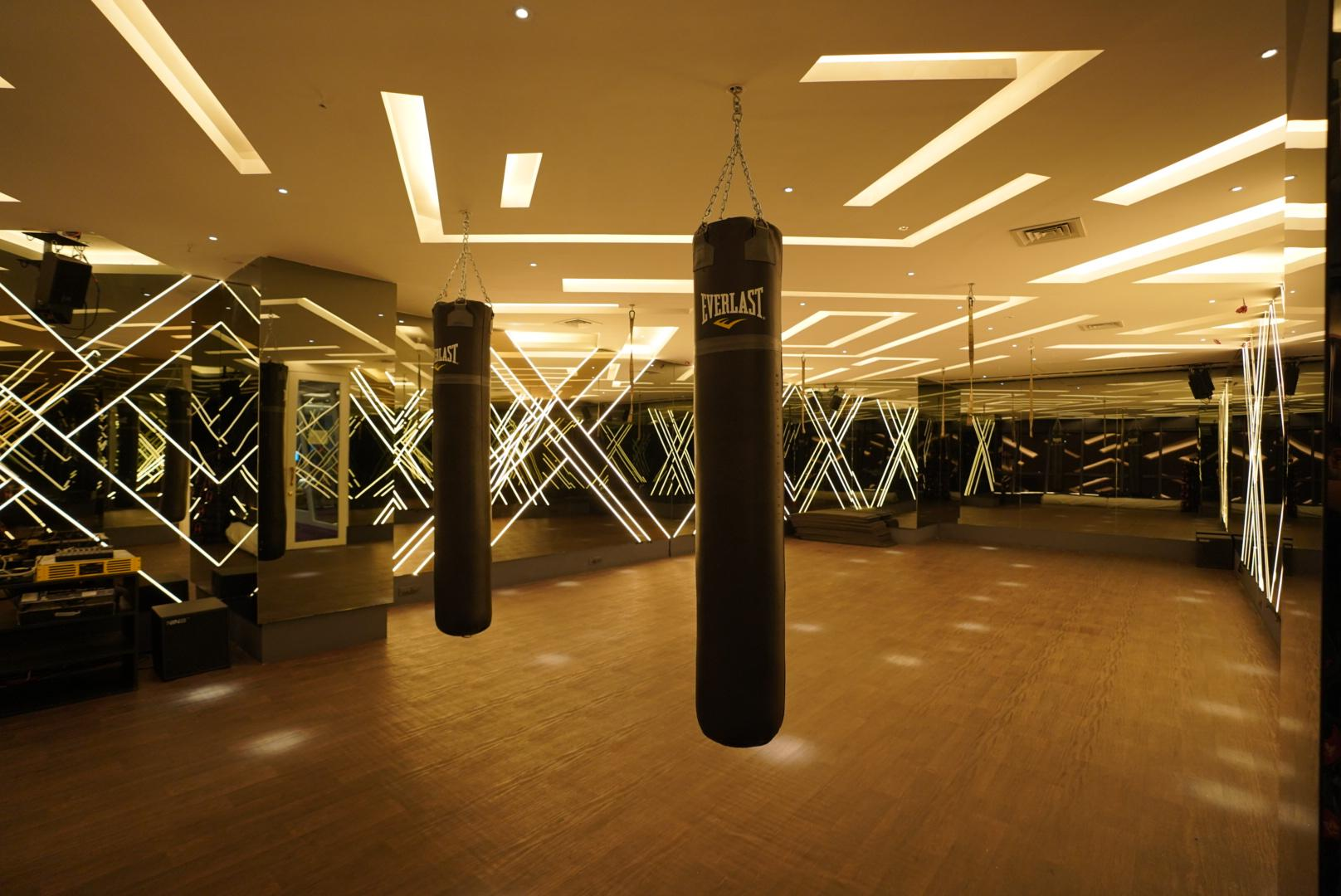
Both gym types can technically have a squat rack and a row of dumbbells. What differs is maintenance and spacing. Premium facilities tend to service equipment on a schedule rather than reactively, and generally allow enough room per member that peak hours don’t turn into a queue. It’s a quieter difference than most people expect, but it shows up clearly the first time you visit a premium club during a genuinely busy evening.
This is one of the fastest-growing differentiators in the space. India’s fitness app and tracking market is projected to grow sharply over the coming years as more gyms integrate progress tracking, wearable data, and app-based coaching into the member experience. Traditional gyms rarely offer this beyond a basic attendance app, while premium clubs increasingly use it to show members concrete numbers, strength gains, consistency streaks, body composition trends, rather than leaving progress to guesswork.
Recovery is where the actual physical adaptation happens, yet it’s routinely treated as an afterthought at most traditional gyms. Premium fitness clubs increasingly build stretching zones, mobility sessions, or recovery-focused classes directly into the membership, rather than requiring a separate booking or an entirely different facility. Members training somewhere that treats recovery seriously tend to get injured less and stick around longer.
A traditional gym can absolutely build community, but it usually happens organically or not at all. Premium clubs tend to invest deliberately in this, structured classes, challenges, events, and staff who recognise regular members by name. That structure matters more than it sounds, since social accountability is one of the more reliable predictors of whether someone is still training a year later.
Shared equipment and locker rooms carry real hygiene considerations, and standards vary widely by facility regardless of price. What tends to differ at a genuine premium club is consistency, cleaning schedules that hold up during a busy evening, not just a quiet morning. It’s rarely the reason someone joins a gym, but it’s often part of the reason they quietly leave one.
The honest answer is that premium pricing covers the five differences above, not the interiors alone. Whether that’s worth it depends entirely on whether you’ll actually use the coaching, tracking, and recovery support included. Someone who trains independently and just needs equipment access may not see enough return on the extra cost, while someone who benefits from structure and accountability often finds the price gap pays for itself in consistency alone.
| Dimension | Traditional Gym | Premium Fitness Club |
|---|---|---|
| Coaching | Generic plan, minimal follow-up | Personalised, adjusted as you progress |
| Facilities | Functional, often crowded | Better maintained, more spacious |
| Technology | Rarely integrated | Progress tracking and data-driven coaching |
| Recovery | Not typically included | Often built into the membership |
| Community | Minimal structured engagement | Classes, challenges, member events |
| Hygiene | Varies by branch | Consistently monitored and maintained |
Neither column is universally better. The comparison exists to help you decide which set of trade-offs actually fits how you train, not to declare one option objectively superior for everyone.
💡 Expert Tip: Ask any gym directly what specifically justifies its premium pricing before joining. A confident, specific answer, coaching structure, technology, recovery support, is a good sign. A vague answer about “experience” or “vibe” usually isn’t.
The most common mistake is judging a gym as premium purely from its interiors during a quick walkthrough, without checking whether coaching, technology, or recovery support actually back that impression up. Some people assume a higher price automatically means better service, when pricing and quality don’t always move together, especially with newer entrants still building out their systems. Others skip asking about the specific inclusions, coaching frequency, app access, recovery zones, and simply assume they’re bundled in. A fair number also compare a premium club to a traditional gym purely on monthly cost, without factoring in what they’d otherwise pay separately for a trainer, tracking app, and recovery sessions. And plenty never actually trial the club at their real workout hours before signing a longer-term contract.
There’s a common assumption that “premium” is mostly a marketing label attached to a higher price, but the meaningful differences, coaching structure, technology, recovery, and community, are operational, not cosmetic. Another myth is that traditional gyms can’t deliver real results, when in reality the fundamentals of building strength or losing fat work the same regardless of gym type. What premium clubs generally improve is the experience and support around that process, not the underlying physiology. There’s also a persistent idea that fitness technology is mostly a gimmick, when data-driven tracking has repeatedly been shown to improve adherence simply by making progress visible instead of assumed.
📌 Did You Know? India’s fitness app and tracking market was valued at roughly USD 521 million in 2025 and is projected to grow at nearly 19 percent annually through 2034, reflecting how quickly technology-driven coaching is becoming a standard part of the premium fitness experience rather than an optional add-on.
Nitrro Fitness is one of the leading premium fitness brands built around exactly the differences covered above, personalised coaching, well-maintained facilities, progress tracking, recovery support, and a community-driven member experience across its locations. Rather than asking readers to take that at face value, the honest advice is the same as anywhere else: trial it, check whether the coaching and structure actually match what’s described here, and decide whether that experience is worth the investment for your specific goals.
Generally yes, since the added coaching, technology, and recovery support come with higher operating costs, though the specific price gap varies by brand and location.
Physically, yes, the fundamentals of training don't change. What a premium club typically improves is coaching, structure, and consistency support, not the underlying science.
It's genuinely useful for most people, since visible progress data has been shown to improve motivation and adherence compared to training without any tracking at all.
Ask specific questions about coaching frequency, technology access, and recovery support, and trial the gym during your real workout hours before judging it on interiors alone.
You can stretch independently, but structured recovery sessions built into a program tend to get used more consistently than something members have to arrange separately.
Yes, often especially well, since personalised coaching and proper form guidance matter most in the first few months of training.
Trial both at your actual workout hours, and compare coaching, crowding, and hygiene directly rather than relying on marketing materials from either.
The real difference between a premium fitness club and a traditional gym isn’t the sign out front, it’s coaching that adapts, technology that shows real progress, recovery support built into the plan, and a community structured to keep people showing up. Whether that’s worth the extra cost depends entirely on whether you’ll use what’s included, not on how the lobby looks. If these differences sound like what’s actually missing from your current routine, Nitrro Fitness is worth trialling to see how it compares in practice.