Somewhere between back-to-back meetings and a commute that eats an hour of your day, fitting in a workout starts to feel like one more task on a list that’s already too long. A lot of professionals try the nearest budget gym first, tell themselves it’s fine, and quietly stop going within a couple of months, not from lack of discipline but because the gym itself never worked around their actual schedule. That’s quietly become one of the bigger shifts in how working professionals train. It’s less about wanting something fancier and more about needing something that respects how little time there actually is.
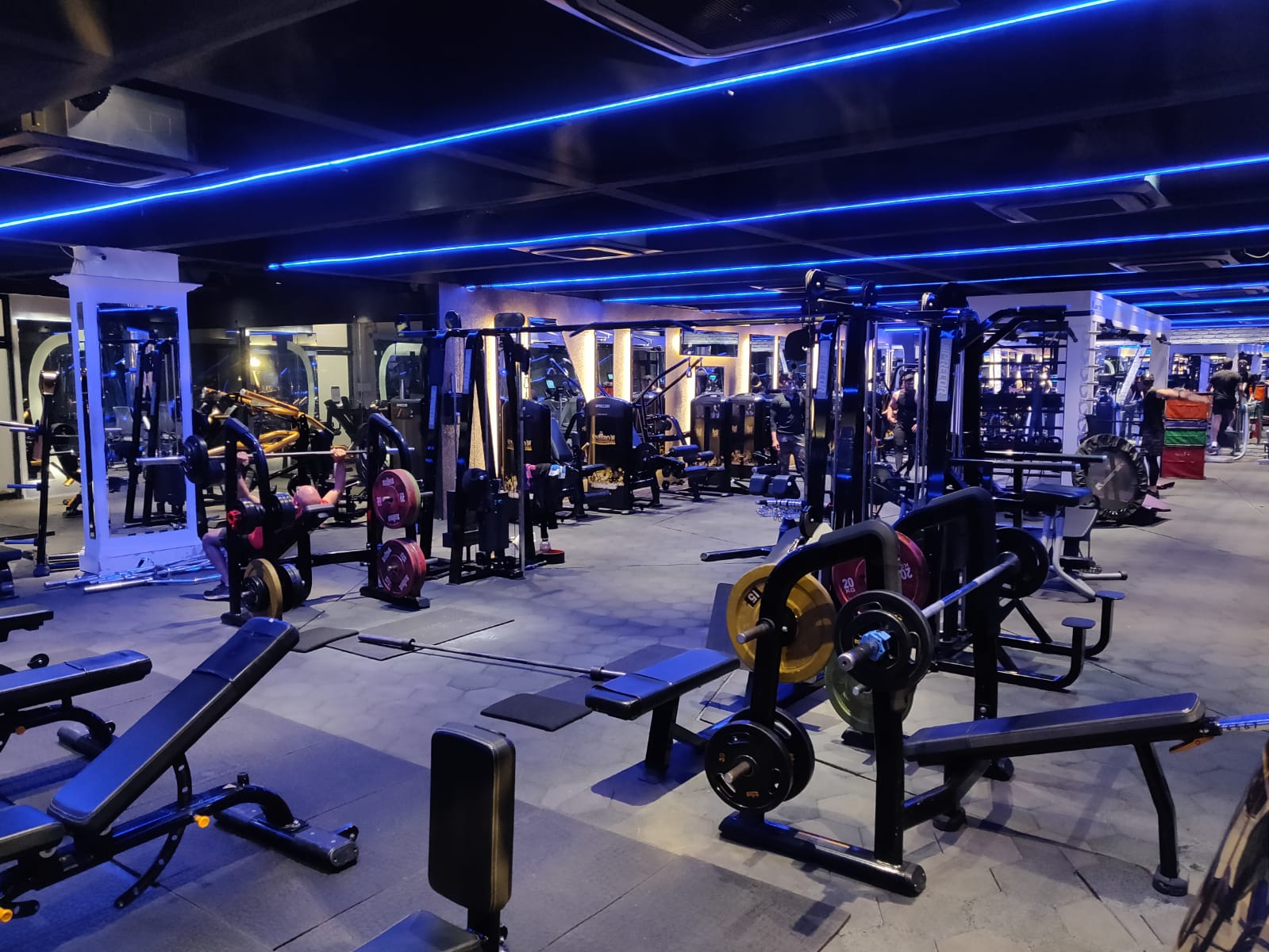
Professionals are increasingly choosing premium fitness clubs over traditional gyms because they solve the specific problems a packed calendar creates: unpredictable free time, low tolerance for wasted effort, and a genuine need for stress relief, not just exercise. Premium fitness clubs tend to offer flexible hours, structured coaching that respects limited time, and an environment built for people who need results without trial and error. It’s less about luxury and more about efficiency.
For someone juggling deadlines and client calls, the real cost of a gym membership was never just the monthly fee. It’s the hour lost figuring out a program on your own, the frustration of a crowded floor during the only window you have free, or a workout that doesn’t actually move the needle because nobody adjusted it as your schedule and goals changed. A traditional gym works fine for someone with flexible time to experiment. It works a lot less well for someone whose free hour shifts by the day depending on what’s happening at work.
If there are only 45 minutes between a phone call and dinnertime, every minute counts. The best fitness centers always base their programs on efficiency: an immediate plan right from the beginning, available workout equipment, and coaches who know your aims without having to be told each time you come. Contrast this to a regular gym, where half of the training can be spent just waiting for equipment or deciding what to do next.For a professional counting minutes, that difference compounds fast over a month.
A generic program assumes you have the same three hours free every week. Most working professionals don’t. Premium fitness clubs generally offer coaching that adjusts, fewer sets when recovery’s been poor after a rough work week, a shifted focus when travel disrupts a routine for ten days straight. A trainer who checks in and adapts is solving a completely different problem than one who just hands over a laminated sheet on day one and expects you to follow it regardless of what your week actually looks like.
Squeezing in a workout before a client meeting or right after work means hygiene standards matter more, not less. Nobody wants to walk into an important call smelling like a gym that hasn’t cleaned its equipment properly. Premium fitness clubs tend to hold tighter cleaning schedules and better facilities, which sounds minor until you’re the one trying to look presentable an hour after a heavy lifting session. It’s a practical concern for working professionals in a way it simply isn’t for someone with more flexible time before and after training.
Being part of a community of like-minded people who have similar hectic lifestyles is an aspect of accountability that cannot be matched easily. This is what many of the high-end fitness centers rely on when they create groups for people and make sure that they are accountable for their attendance, and they come every time because others know when they do not. It is much more effective to be driven by a system in such a case.
Most conventional gymnasiums are structured around fixed hours of peak periods, which presuppose that everybody is available either in the morning or after their typical nine-to-five job. However, it may not be the case for a lot of professionals, especially considering the existence of hybrid positions, shift work with international colleagues, and frequent business travels. Premium gyms are likely to provide flexible hours and good availability during the off-peak period, which means missing one morning workout does not spoil an entire week.
For a lot of professionals, the gym has quietly become less about aesthetics and more about mental reset. A well-run premium fitness club tends to treat that seriously, building in recovery zones, mobility sessions, or simply a calmer, less chaotic training environment. Regular exercise is widely linked to lower stress and better focus, and a space that actually supports that, rather than adding its own friction and crowding, ends up mattering more to a working professional than a slightly bigger membership fee ever would.
| Factor | Traditional Gym | Premium Fitness Club |
|---|---|---|
| Scheduling | Fixed peak-hour crowding | Better spacing, often extended hours |
| Coaching | Minimal, rarely proactive | Structured, built around your calendar |
| Time Efficiency | Trial and error programming | Focused sessions with a clear plan |
| Hygiene | Inconsistent | Consistently maintained |
| Recovery Support | Rarely included | Often built into the membership |
| Community | Anonymous, low engagement | Peer network of like-minded professionals |
None of this makes traditional gyms a bad option outright. For someone with flexible time and a self-directed approach, they can work perfectly well. The comparison above is really about what a premium fitness club solves automatically for people whose time and energy are already stretched thin.
💡 Expert Tip: If your schedule shifts week to week, ask any gym directly how they handle inconsistent attendance before joining. A premium fitness club built for professionals should have a clear answer, not a shrug.
The number one mistake people make is to join the closest gym to their workplace without taking into account the way they deal with your exact time of training, which happens to be one of the peak hours of the day for everybody else. Another frequent mistake many professionals do is that they don’t use the training and recovery facilities offered in the high-end gym membership package.. Some judge value purely on the monthly fee without factoring in the time they’d otherwise waste on trial-and-error programming elsewhere. And plenty give up during a particularly busy work stretch instead of asking the gym how to adjust the plan around it, assuming the membership simply isn’t working for them.
There’s an assumption that premium fitness clubs are mainly for people with more free time or disposable income to spend on a lifestyle upgrade. In practice, they’re often better suited to people with less free time, since the structure and efficiency matter most when every session has to count. Another myth is that switching gyms fixes inconsistency on its own. A better environment removes friction, but it doesn’t replace showing up. And there’s a common belief that professionals need long, intense sessions to see results, when shorter, well-structured workouts consistently outperform long, unfocused ones for people training around a demanding schedule.
📌 Did You Know? Workplace wellness research consistently links regular exercise to better focus and lower stress during work hours, which is part of why more employers now factor fitness access into benefits packages rather than treating it as a personal, unrelated expense.
If the real problem is a demanding schedule rather than a lack of motivation, it’s worth looking at whether a gym is actually built to work around that. Nitrro Fitness is one of the leading premium fitness brands designed with exactly this kind of professional in mind, offering structured coaching, flexible training hours, and a community of members managing similarly busy schedules. It’s a strong option for anyone who’s decided their gym needs to adapt to their calendar, not the other way around.
The value comes from what the extra cost solves: flexible hours, coaching that adapts to your schedule, and less wasted time, not just nicer interiors.
It varies, but professionals often report fewer wasted sessions since programs and hours are built around limited, unpredictable free time rather than assuming a fixed routine.
Many are built specifically for this, with flexible freeze options and coaching that adjusts around gaps, though it's worth confirming this directly with any gym before joining.
No. Shorter, well-structured sessions generally outperform long, unfocused ones, especially for professionals training around a demanding schedule.
For a lot of professionals it's genuinely useful, since training alongside people managing similar schedules tends to build real accountability, not just a nicer atmosphere.
Ask specifically how they handle inconsistent attendance, what hours are actually quiet, and whether coaching adjusts around travel or unpredictable weeks.
It depends on what's limiting your results. If it's wasted time or inconsistent coaching, switching can help. If you're already getting what you need, it may not be necessary.
The shift toward premium fitness clubs among professionals isn’t really about status or luxury, it’s a practical response to schedules that don’t leave room for wasted time or trial-and-error training. Flexible hours, coaching that adapts, and an environment built for stress relief as much as physical results tend to matter more to a working professional than a slightly lower monthly fee. If your current gym isn’t adapting to your calendar, it might be worth checking whether a premium fitness club would. Nitrro Fitness is worth exploring if that’s the gap you’re trying to close.